When you can't find the smell
Investigating Persistent Basement and Crawl Space Odors in Hilltop
Some basement and crawl space smells defy every fix you try. This guide walks Hilltop homeowners through the possible sources in a sensible order, so the cause gets fixed before anyone treats the odor.
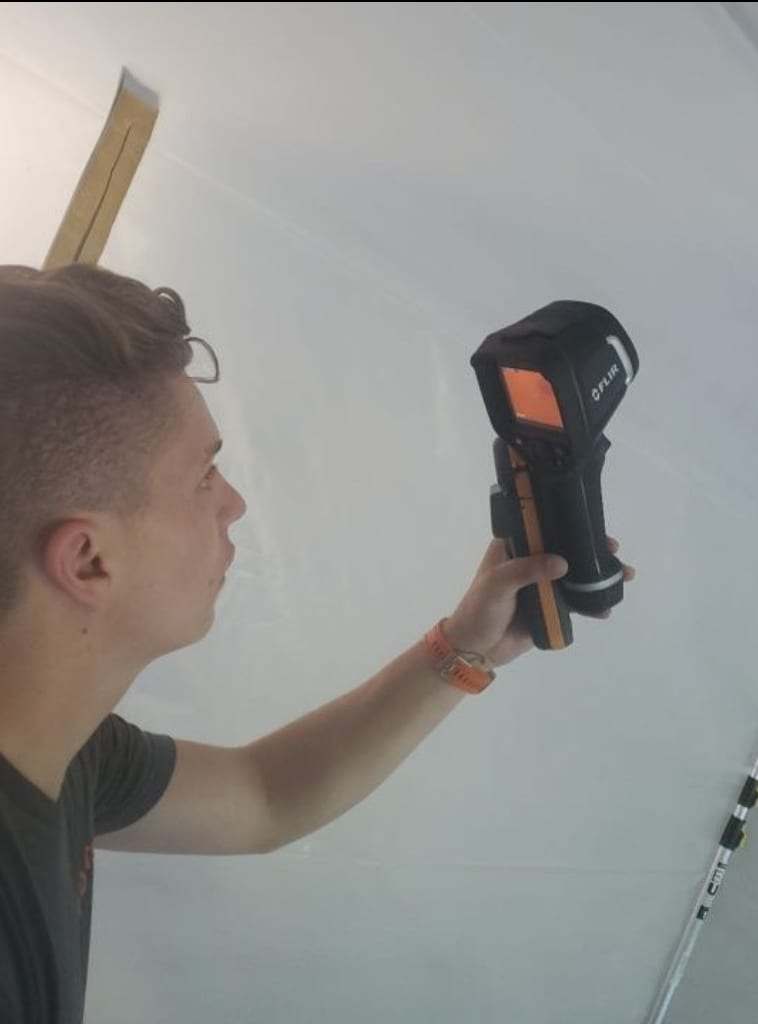
Investigation and treatment
Each step narrows down the source before treatment is recommended.
Step 1
Interview
Talk through when the smell started, when it's strongest, and what's been tried.
Step 2
Inspect
Check drains, materials, storage areas, walls, the crawl space, and air pathways.
Step 3
Identify the cause
Pinpoint the source, or refer you to a plumber or remediation contractor if that's what it needs.
Step 4
Treat
Treat affected materials and the air space once any underlying problem is corrected.
Step 5
Evaluate
Confirm the result and go over prevention.
Finding a basement smell is a process of elimination
A persistent basement or crawl space odor can come from many places: damp or previously wet materials, mold or mildew, a dry floor-drain trap letting in sewer gas, a rodent that died in a wall or crawl space, or a skunk that sprayed near a foundation vent. Each needs a different fix, which is why air fresheners and general cleaning so often fail.
A sound approach starts with investigation, checking the likely sources in a logical order, and treats the cause only once it's known. When the source is a plumbing or moisture problem, bring in the right contractor before paying for odor treatment.
Look for the moisture behind a basement smell before treating it, and don't settle for masking it.
The elimination order
- Rule out the dangerous: gas, burning and electrical smells get a utility or electrician first.
- Rule out water: humidity reading, then look for leaks, seepage and condensation.
- Rule out drains: refill traps, check the floor drain and laundry standpipe.
- Rule out a dead animal: flies, a stain, a smell that changes over days.
- What's left is usually residue in materials, which odor treatment can address.
What the smell can suggest
A smell is a clue, not a diagnosis. Use this as a starting point. Several of these mean calling someone other than an odor company.
ZIP codes served: 80246 (Denver), 80220 (Denver), 80206 (Denver), 80230 (Denver), 80209 (Denver).
Also nearby: 80224, 80218, 80247, 80203, 80207, 80222, 80210, 80205, 80231, 80010, 80223, 80202, 80238, 80012.
Basements and crawl spaces in Hilltop homes
Hilltop's housing includes mid-century brick homes from the 1940s and 1950s and many newer houses built on the same lots. Older homes often have basements with original drains, crawl spaces under additions, and a mix of updated and original plumbing. Newer homes may have large finished lower levels with bathrooms and wet bars that are used only occasionally.
Both can develop persistent odors, from dry traps in rarely used bathrooms to dampness in crawl spaces and behind older finishes. Investigation finds the specific cause in your home.
- Nearby Crestmoor, Lowry, and Cherry Creek have a similar mix of mid-century and newer homes with the same basement questions.
- Rarely used basement drains should have water run through them regularly.
- If mold or a leak is found, it should be corrected before odor treatment; a sudden covered leak may make part of the work insurable.
- Glendale and Congress Park homes face many of the same drain, crawl space, and lower-level issues.
What different smells can suggest
- Musty or earthy: dampness, mildew, mold growth, or bare crawl space soil.
- Sewer or rotten-egg: a dry drain trap, a failed wax ring, or a plumbing vent issue.
- Sweet, sickening, and sudden: possibly a dead rodent in a wall, ceiling, or crawl space.
- Sharp and sulfurous near a vent: skunk spray near the foundation or crawl space opening.
- Stale and stuffy: poor air circulation and accumulated odor in soft materials.
Quick things to try
1
Run water into every floor drain and seldom-used sink or shower to refill traps.
2
Check humidity with a hygrometer.
3
Note when the smell is strongest: after rain, when the furnace runs, or at certain times of day.
4
Look for droppings or signs of animals near crawl space vents and utility areas.
Persistent odor situations in Hilltop
- 1.
Smell only after rain
A homeowner notices a musty smell in the lower level only after storms, pointing to seepage or humidity at a particular wall.
- 2.
Intermittent sewer smell
A faint sewer odor comes and goes in a basement bathroom that's rarely used. The trap is drying out between uses.
- 3.
Crawl space under an addition
A mid-century home's addition sits over a crawl space, and the room above smells stale no matter how often it's cleaned.
More on tracking down a basement smell
Guides and worksheets for Hilltop basements and crawl spaces.
Answers18
- When the basement smell comes back after it was treated
- Newer house, deep basement, musty smell: where rebuilt homes hide odor
- The sump pit smell: stagnant water, open lids and what's underneath
Toolkit9
- How to read a hygrometer and a moisture meter without fooling yourself
- Isolation tests that separate drains, moisture, ducts and stored items
- A worksheet for comparing basement odor proposals fairly
Questions
- Why does my basement smell like sewer only sometimes?
- A common cause is a floor drain or seldom-used fixture whose trap dries out, letting sewer gas in. Running water into the drain refills the trap. If the smell persists, a plumber should check for vent or seal problems.
- Can a dead animal cause a basement smell?
- Yes. Rodents can die inside walls, ceilings, or crawl spaces, causing a strong odor that often fades over weeks. Locating and removing the source, when accessible, followed by treatment, resolves it faster.
- What if the smell is from mold?
- Active mold growth should be properly remediated and the moisture source corrected. Odor treatment afterward addresses lingering smell.
- Can odor come from a crawl space into the basement?
- Yes. Air can move from crawl spaces into living areas through openings and ductwork. Crawl space moisture and odor sources should be addressed.
- Will an air purifier help?
- Air purifiers can reduce some airborne odor but don't remove the source. They can be useful while the cause is being fixed.
- Does treatment require leaving the house?
- Whole-space treatments may require leaving the treated area for a period. Ask for the timing before scheduling.
- Can an odor company tell me if the smell is making my family sick?
- No. Odor work deals with finding and treating sources; it isn't a health diagnosis. If someone in the home has symptoms, talk with a doctor. If you suspect mold, a separate mold assessment by a qualified professional is the right next step.
Describe the smell
This form is not connected. This website is a draft preview: no business has been confirmed to receive requests, so the fields below are switched off and nothing can be sent. In an emergency, call 911.